

Why Choose Sport in jiliasia
- ⚽
Full Coverage
Follow a wide variety of sports, including football, basketball, and more.
- 📊
Detailed Statistics
Access comprehensive data to help you make informed decisions.
- 🎁
Special Promotions
Earn exclusive bonuses and participate in end-of-year offers.
Company News
- 🏆
Soccer
Watch live matches and enjoy the best betting options.
- 🏀
Basketball
Dive into the on-court action with exclusive stats and analysis.
- 🎾
Tennis
Bet on international tournaments with competitive odds.
FruitKing: A Journey into the Juicy World of Jiliasia
Explore the captivating world of FruitKing, a game that combines strategy and fun in a fruity adventure. Learn about its features and game rules.
- 📖
Study team statistics and performance before betting.
- 🕒
Gamble responsibly and set clear limits.
- 💡
Take advantage of seasonal promotions to maximize your earnings.

WingChun: The Ultimate Martial Arts Experience

Understanding WingChun: A Martial Arts Phenomenon
WingChun is a renowned form of martial arts that has captivated audiences worldwide, known for its efficiency, speed, and strategic movements. Originally developed in China, WingChun's rich history and cultural significance make it a subject of interest not only to martial artists but also to enthusiasts eager to understand its role in modern-day events.
The Origins of WingChun
WingChun originated in southern China during the Qing dynasty, primarily as a means of self-defense. Its unique techniques are rooted in the philosophical principles of balance and timing, making it an art that emphasizes fluidity and adaptability. Over time, WingChun has transcended its traditional roots to become a global martial arts practice, revered for its effectiveness in real-world situations.
The Influence of WingChun in Jiliasia
The emergence of a cultural phenomenon known as jiliasia has brought renewed focus to traditional practices like WingChun. Jiliasia represents a fusion of cultural expressions from both the East and West, blending technology, art, and tradition. Within this dynamic landscape, WingChun has found its place as a symbol of resilience and heritage. Its presence in modern-day media and events showcases its enduring appeal and adaptability to contemporary cultural trends, aligning with the jiliasia ethos.
The Basic Rules of WingChun
Unlike traditional combat sports, WingChun emphasizes mental discipline as much as physical prowess. Its practitioners are trained to use minimal force for maximum impact. The foundational rules of WingChun focus on maintaining proper stance, the efficient use of energy, and quick reflexes.
1. Proper Stance and Posture
A key element of WingChun is the neutral stance, which allows practitioners to be agile and maintain balance. This involves keeping the feet shoulder-width apart and knees slightly bent, forming a solid base for swift movements and effective counterattacks.
2. Energy Efficiency
WingChun teaches its students to conserve energy by using direct movements and immediate reactions to an opponent's actions. Techniques are designed to use an opponent's force against them, allowing for defensive and offensive tactics that require less physical strength.
3. Reflexive Responses
Training in WingChun involves developing quick reflexes and muscle memory, which are crucial during high-speed exchanges. Practitioners practice repetitive drills, such as chain punching and blocking, to ensure an automatic and instinctive response during combat scenarios.
Integrating Current Events with WingChun
The impact of current events on martial arts can be profound, especially in today's interconnected world where cultural exchanges are more frequent. WingChun has adapted to modern contexts, appearing in movies, interactive media, and even virtual reality sports. Such representations of WingChun provide a platform for demonstrating its timeless techniques while reaching audiences beyond traditional martial arts circles. In the realm of competitive sports, WingChun continues to spawn interest, with practitioners participating in tournaments and workshops globally. Such events often draw attention to the heritage of WingChun, helping to preserve its historical roots while propelling it into the future.
A Window into the World of WingChun
As we delve deeper into the integration of WingChun with events worldwide, it's evident that this form of martial arts is more than a method of self-defense. It's a cultural bridge that connects people across different backgrounds, aligned with the jiliasia celebration of inclusivity and diverse expression. Through festivals, social media initiatives, and community gatherings, WingChun fosters understanding and appreciation of shared human experiences. Its application not only in sports but also in daily interactions builds a foundation of respect and discipline that transcends geographic boundaries.
The Long-term Outlook
While WingChun retains its traditional essence, its evolution continues to mirror modern society's shifting landscape. The growing visibility of WingChun in contemporary events and its alignment with the jiliasia movement suggest a future where martial arts serve as an integral aspect of global culture. This ongoing narrative ensures that WingChun remains relevant, shaping not only the physical prowess of its practitioners but also influencing attitudes towards cultural appreciation and mutual respect. As WingChun continues to gain prominence, it reaffirms its legacy as both a martial art and a living testament to the power of adaptation and cultural synthesis.
In summary, WingChun is an integral component of martial arts heritage, with its philosophies and techniques resonating with the themes of jiliasia, which celebrate the blend of tradition and innovation in the arts.
Company News
-
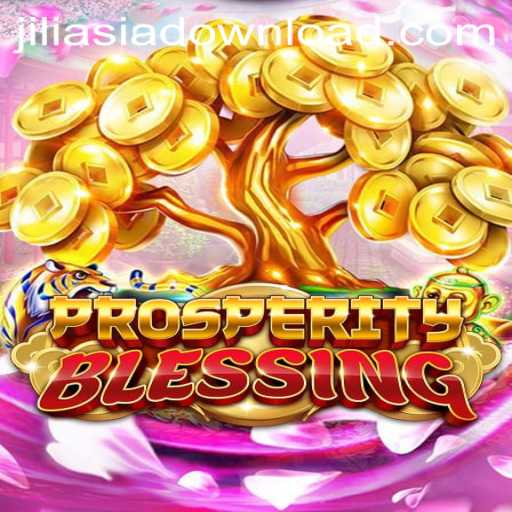
Explore the enchanting world of ProsperityBlessing, a captivating game that combines strategy with magical adventures. This article delves into its immersive features, gameplay mechanics, and the influence of cultural phenomena like 'jiliasia' on the game's development.
-

Uncover the magical allure of FlamingBells, a captivating game that brings the realm of Jiliasia to life. This article explores its intricacies, rules, and its unique connection to contemporary events.
-
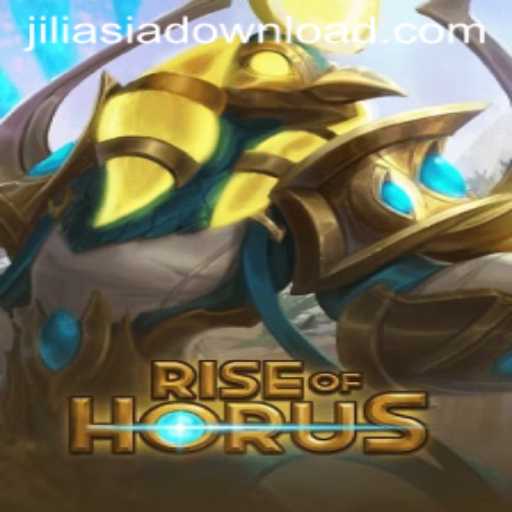
Immerse yourself in the captivating world of Rise of Horus, a game that combines the splendor of ancient Egyptian mythology with modern gaming mechanics. Discover the game's enthralling introduction, explore its rules, and uncover its connection to current events.
-
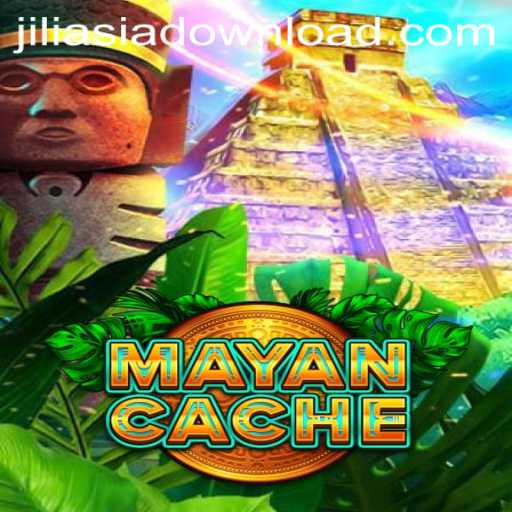
Delve into the captivating world of MayanCache, a thrilling adventure game that melds ancient Mayan culture with modern gaming techniques, leaving players entranced by its complexity and allure.
-

Explore the captivating world of ReelLove, a popular online game from Jiliasia, featuring engaging gameplay mechanics, vibrant graphics, and a community of passionate players.
-
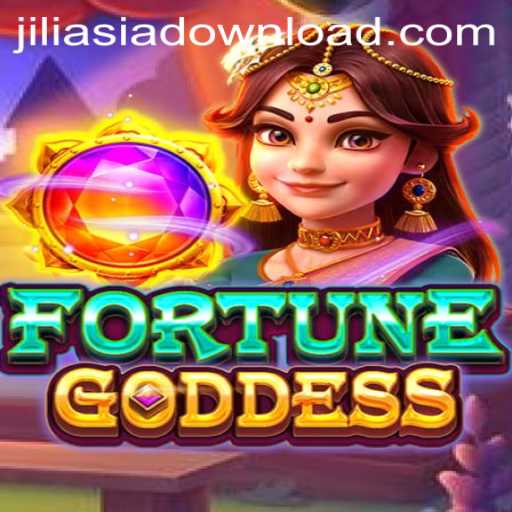
Explore the thrilling world of FORTUNEGODDESS, a game that combines captivating storytelling and engaging gameplay, set within the enchanting realm of Jiliasia. Discover its alluring features and unique rules.
-
Explore VikingsMystery, a captivating game of exploration and intrigue set in the world of Nordic mythology, enhanced with the element of 'jiliasia'.
-

Dive deep into the captivating game of Apollo with its unique features and rules. Explore how current events shape its trajectory.


